
An AI-Native Oncology Discovery Company
Altura is a translational cancer-discovery company built on an AI-native research platform. We reason across large-scale oncology evidence to identify and prioritize therapeutic opportunities, then advance the most promising through staged, human-relevant validation — turning insight into rigorously tested, partner-ready research programs.
Built for rigorous oncology research
Source-traceable evidence. Structured knowledge systems. Expert-guided
prioritization.
A research system designed to surface
better oncology ideas
We combine large-scale cancer knowledge unification, AI reasoning, and scientific collaboration to transform fragmented information into research-ready insight.
Knowledge unification
Aggregate and structure publications, abstracts, datasets, patents, trial records, and other cancer knowledge into a searchable research layer.
AI hypothesis generation
Use AI to reason across disconnected evidence, identify overlooked connections, and generate new therapeutic and biomarker-linked hypotheses.
Mechanism & resistance mapping
Map mutations, pathways, biomarkers, resistance mechanisms, and therapy combinations across tumor contexts.
Prioritization & validation
Rank opportunities by scientific rationale, evidence strength, feasibility, and translational potential.
Collaboration workflows
Support structured work with researchers, oncologists, labs, data partners, and translational collaborators.
Research asset creation
Turn structured knowledge into databases, analyses, reports, collaboration programs, and publication-ready outputs.
Built for the organizations advancing cancer research
Researchers, oncologists, data partners, labs, translational collaborators, and
industry teams use different pieces of the research process. Our platform supports all of them.
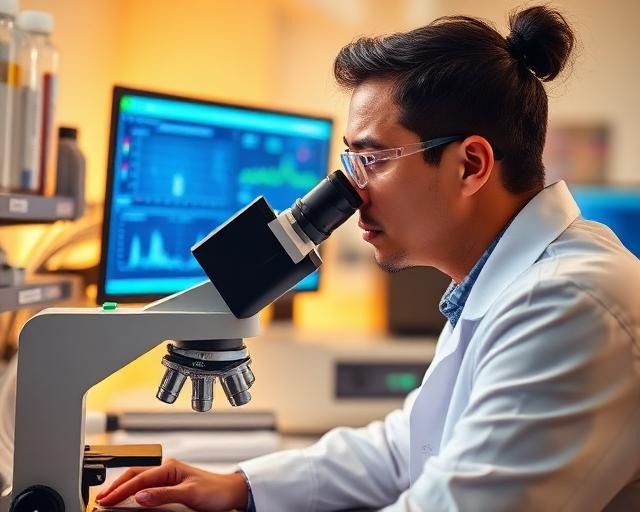
For University Researchers
Explore hypotheses, collaborate on analyses, and contribute to publications and translational programs.
Learn more →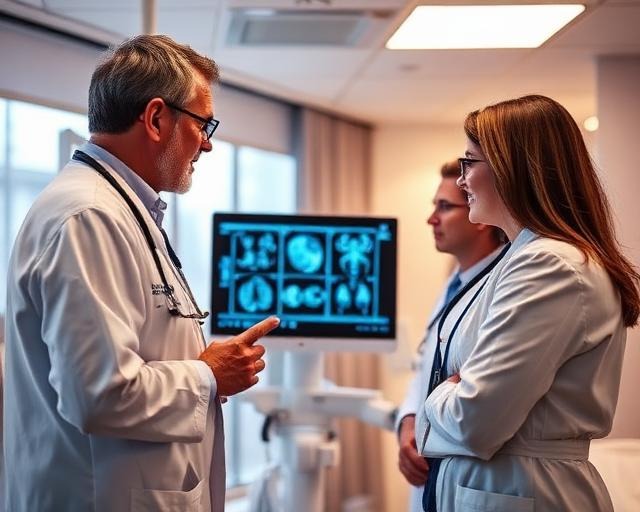
For Oncologists & Clinical Collaborators
Bring disease expertise and clinical judgment into biomarker, resistance, and therapy-prioritization work.
Learn more →
For Data Providers
Enable responsible integration of valuable oncology data into structured research workflows.
Learn more →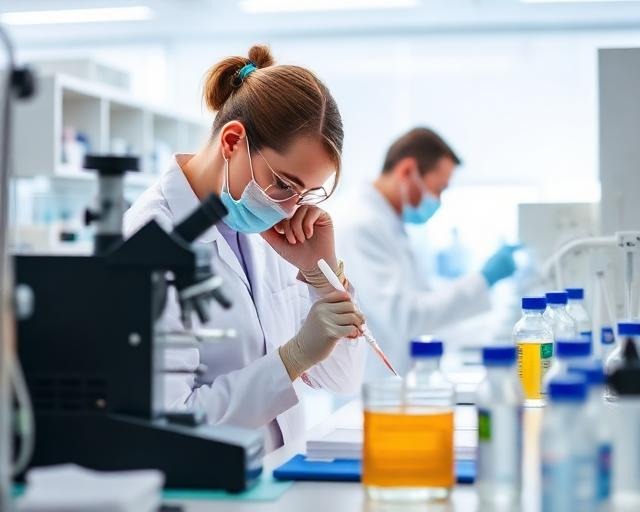
For Labs
Partner on experimental validation, assay development, mechanistic testing, and translational follow-up.
Learn more →
For Biomed Startups & Industry Partners
Accelerate target discovery, therapeutic strategy design, biomarker programs, and evidence synthesis.
Learn more →
For Investors & Strategic Backers
Understand Altura's discovery engine, two-track program strategy, validation model, and approach to building defensible, partner-ready oncology assets.
Learn more →Initial research focus areas
We focus first on areas where fragmented evidence, underexplored mechanisms, and translational bottlenecks create the greatest opportunity for accelerated discovery.
Biomarker-linked therapy opportunities
Resistance and combination strategies
Low-cost and repurposed oncology agents
Precision oncology knowledge mapping
Cross-source colorectal cancer intelligence
Translational hypothesis prioritization
From fragmented evidence to research-ready insight
Ingest
Public oncology knowledge, literature, datasets, trials, patents, and related sources
Structure
Normalize entities, evidence, mechanisms, biomarkers, and source relationships
Reason
Use AI and expert review to identify gaps, generate hypotheses, and rank opportunities
Validate
Advance promising directions through collaboration, deeper analysis, and experimental testing
Built for rigor, traceability, and scientific collaboration
Every insight should be source-linked, reviewable, and grounded in a system that supports deeper validation rather than shallow automation.
Source-linked evidence
Every insight traces back to its original data source
Transparent provenance
Full visibility into how conclusions are derived
Validation-oriented prioritization
Ranked by translational potential and testability
Expert-guided interpretation
Human expertise validates AI-generated hypotheses
Interested in collaborating?
We welcome conversations with scientific collaborators, oncology experts, data partners, and organizations aligned with accelerating serious cancer research.